
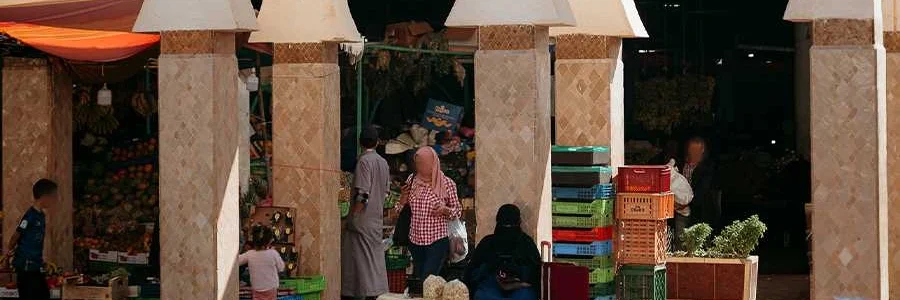
For many travelers, a trip to Morocco is incomplete without a deep dive into the labyrinthine alleys of its souks. More than just markets, souks are the vibrant, sensory-rich nerve centers of Moroccan cities and villages.
They are the crossroads of commerce, community, and centuries of tradition, offering a genuine glimpse into the soul of the country.
So, what exactly is a souk, and what makes the experience so unique?
A Tradition of Commerce and Community
The word “souk” comes from the Arabic for “marketplace.” In ancient times, they were open-air markets, often held weekly in rural towns. Today, the term refers to the bustling, organized commercial quarters found within Moroccan cities, typically within the walled old city, or medina.
Unlike a modern mall, a souk is a living, breathing entity. It is a place where artisans ply their trades in workshops, merchants call out to passersby, and locals gather not just to shop, but to socialize and catch up on the day’s news. The atmosphere is a vibrant tapestry of sounds, smells, and colors that can be overwhelming at first, but is an essential part of the Moroccan experience.
A Labyrinth of Specialization:
The most famous souks, like those in Marrakech and Fes, are not a single, chaotic market but a network of specialized alleys, each dedicated to a specific craft.
This ancient organizational system, dating back centuries, kept similar trades together, making it easier for shoppers to find what they needed and for craftsmen to share expertise.
Spice Souk (Souk el Attarine):
An aromatic wonderland where mounds of vibrant spices—saffron, cumin, paprika, and the famous Ras El Hanout blend—are piled high. You’ll also find medicinal herbs, argan oil, and natural cosmetics.
Carpet Souk (Souk Zrabi):
A visual feast of hand-woven rugs from various Berber tribes, each with its own unique patterns and colors telling a story of its origin.
Leather Souk:
The air is filled with the distinct scent of tanned leather. This is where you can find handcrafted goods like bags, wallets, and the iconic babouches (soft leather slippers).
Metalwork Souk:
Listen for the rhythmic clang of hammers. Artisans here create intricate lanterns, ornate trays, and traditional teapots from brass and copper.
Dyer's Souk (Souk des Teinturiers):
One of the most photogenic parts of any souk, where skeins of freshly dyed wool hang to dry from the rafters in a brilliant display of color.
The Art of the Deal: Haggling in the Souk
For many Westerners, the idea of haggling can be intimidating, but in Morocco, it’s a cherished part of the shopping experience. It’s a friendly negotiation, a game of give and take that builds a connection between buyer and seller.
Tips for a successful haggle:
Start low, but be reasonable:
A good starting point is about 50% of the asking price, but let the vendor’s demeanor guide you.
Be patient and polite:
Rushing or becoming aggressive won’t get you a better deal.
Enjoy the process:
A good haggle often involves friendly conversation over a glass of mint tea. It’s less about the final price and more about the cultural interaction.
Don't be afraid to walk away:
If the price isn’t right, a polite “la, shukran” (no, thank you) and a walk to the next stall might encourage a better offer.
Beyond the Big Cities: Weekly Souks
While the permanent souks of Marrakech, Fez, and Agadir are major tourist draws, the authentic heart of the souk tradition can be found in the countryside’s weekly markets. These are often named for the day they are held, such as Souk el Had (Sunday) or Souk el Arba (Wednesday). They are where locals from surrounding villages gather to buy and sell produce, livestock, and other essentials. Visiting a weekly souk offers a raw, unfiltered look at Moroccan rural life.
Whether you’re in a bustling medina or a dusty village, the souk is more than a place to buy souvenirs. It’s a vibrant living museum, a social hub, and a key to understanding the rich, layered culture of Morocco. So, take a deep breath, prepare to get lost, and let the souk guide you.
Frequently Asked Questions (FAQ):
What is the difference between a Moroccan "souk" and a modern market or bazaar?
A Moroccan souk is fundamentally different from a modern market or shopping center because it is a living, historical commercial district deeply integrated into the cultural and social fabric of the city, typically located within the old medina. While a modern market focuses strictly on commerce, a souk is also a traditional social hub where locals gather not only to shop but also to socialize and exchange news. It is characterized by its labyrinthine, specialized alleyways—like the Spice Souk or Carpet Souk—where artisans often create goods on-site in workshops, maintaining a centuries-old organizational structure and a sensory-rich atmosphere that no modern bazaar can replicate.
Is haggling mandatory, and what is the proper etiquette for a successful negotiation?
Haggling is not strictly mandatory, especially for low-cost, fixed-price items like bottled water or simple street food, but for most handcrafted goods, carpets, spices, and leather products, it is an expected and cherished part of the transaction. The proper etiquette involves approaching the negotiation with patience, politeness, and a good-natured spirit; it should be viewed as a friendly interaction rather than a confrontation. A good starting point is usually to offer about 50% of the vendor’s initial asking price, and from there, you should be willing to slowly work toward a price that is fair for both parties, often over a shared glass of mint tea, remembering that enjoying the cultural process is more important than simply winning the lowest price.
How can a traveler avoid feeling overwhelmed by the sensory intensity of the souk?
The best way to manage the intense sights, sounds, and smells of the souk is to embrace the experience while setting a calm, unhurried pace. Travelers should start their visit with an open mind, expecting the noise and the constant activity, and try to view the sensory overload as part of the authentic cultural tapestry. Focus on slow, deliberate walking, and don’t feel obligated to stop at every stall; a polite but firm “la, shukran” (no, thank you) is a perfectly acceptable way to decline an offer. Consider hiring a local guide for your first visit, as they can help navigate the most chaotic areas and provide context, allowing you to absorb the atmosphere in manageable sections.
What are the most authentic items a traveler should look for in a souk?
To find the most authentic items, travelers should seek out products that are handcrafted and representative of specific Moroccan artisan traditions. Excellent choices include hand-knotted Berber carpets, which tell a unique tribal story through their patterns and colors; babouches, the traditional soft leather slippers often dyed in vibrant colors; high-quality spices, especially the complex Ras El Hanout blend and genuine saffron; and traditional copper or brass metalwork like intricate lanterns and hammered trays. Buying these items, ideally directly from the specialized souks like the Leather or Metalwork quarters, ensures you are taking home a piece of genuine Moroccan craftsmanship and supporting local artisans.
Are the weekly, rural souks truly different from the large city souks?
Yes, the weekly, rural souks—often named after the day they are held, such as Souk el Had (Sunday)—offer a starkly different and often more raw, authentic experience than the permanent, tourist-focused souks in major cities like Marrakech or Fes. While city souks are primarily focused on handcrafted goods and souvenirs for visitors, the rural souks serve as vital community hubs where local villagers gather to buy and sell essential goods, including fresh produce, livestock, grain, and tools. They provide an unfiltered glimpse into Moroccan rural life and commerce, with less emphasis on the tourist experience and a much greater focus on the daily necessities of the surrounding agricultural communities.