Hey there, future surfer! Dreaming of warm waves, stunning sunsets, and the vibrant culture of Morocco? You’ve picked an incredible destination for your first surf adventure. I remember my own first trip, feeling a mix of excitement and a tiny bit of overwhelm when staring at an empty suitcase. What do you really need when you’ve never even stood on a board before?
Don’t sweat it! I’m here to walk you through exactly what to pack, ensuring you’re prepared, comfortable, and ready to catch those first thrilling waves. Forget the stress of overpacking or forgetting essentials; this guide is tailored specifically for you, the complete beginner surfer. Let’s get you packed and ready for an unforgettable Moroccan experience!
What You’ll Be Riding & Wearing?
Your Wetsuit Situation:
Morocco’s Atlantic coast boasts surprisingly cool water, especially outside of peak summer. Even if the air is warm, the ocean can be chilly!
Winter (November - February):
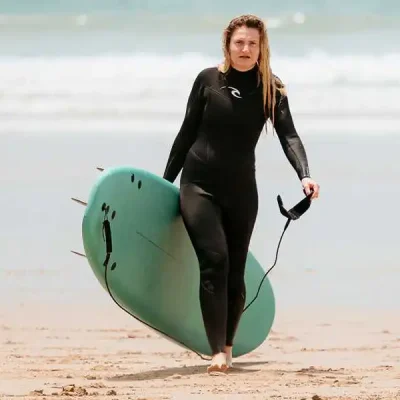
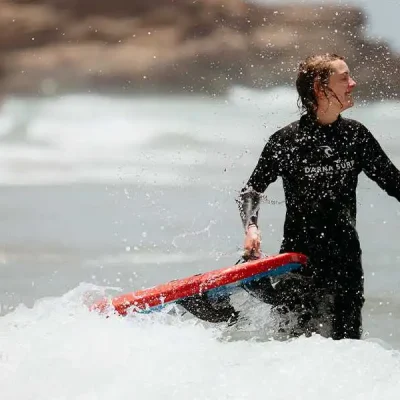
You’ll definitely want a 3/2mm full-length wetsuit. Some might prefer a 4/3mm if they get cold easily.
Spring/Autumn (March - May, September - October):
A 3/2mm full-length wetsuit is still a good bet. Mornings can be cool, and an hour or two in the water will make you appreciate it.
Summer (June - August):
Many surf in board shorts or a bikini during the hottest months, but a shorty wetsuit (2mm) can be nice for sun protection and a little warmth on longer sessions.
My advice? Check with your specific surf camp about their water temperatures and what they provide. If you plan on multiple surf trips in the future, investing in your own well-fitting 3/2mm wetsuit can be a game-changer for comfort.
Board Basics for Beginners:
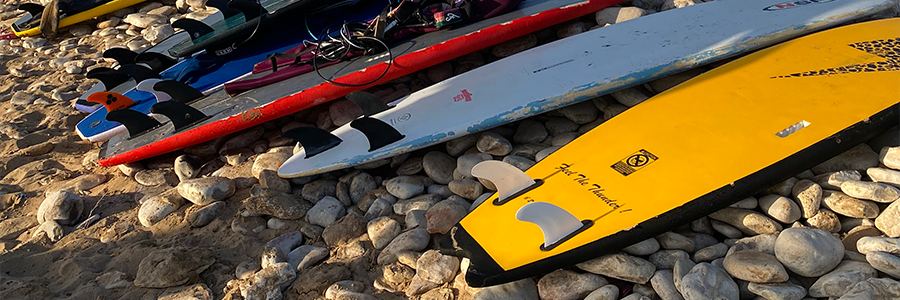
As a beginner, you’ll start on a soft-top surfboard – these are wide, stable, and forgiving. They make learning much easier and safer. Again, your surf school will provide this.
Beyond the Board and Wetsuit: Small but Mighty Essentials
While the big gear is usually rented, these small items are crucial for your comfort and progression:
Rash Vest (or two!):
This is a non-negotiable, even if you’re wearing a wetsuit. It prevents chafing from the board and wetsuit seams. If you’re surfing in warmer water without a wetsuit, it offers vital sun protection for your back and shoulders.
Board Shorts or Bikini:
Wear these under your wetsuit. For women, a sporty bikini or swimsuit is best. For men, comfortable board shorts.
Reef Booties (Optional but Recommended):
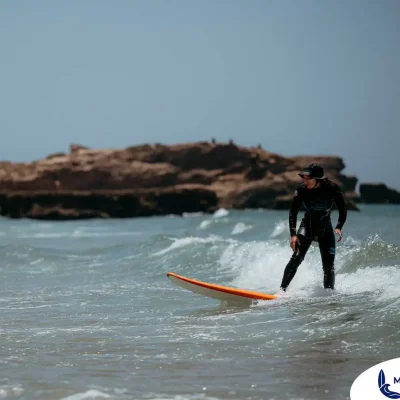
Some Moroccan surf spots have rocky bottoms or reefs. Booties protect your feet from cuts and scrapes. Your surf school might provide them, but having your own ensures a comfortable fit.
Surf Wax:
While your rental board will likely come waxed, having a small block of cool water wax is smart. It helps you get better grip on the board.
Leash:
The cord that connects your ankle to the surfboard. Your rental board will have one, but it’s good to know what it is!
Changing Poncho/Towel:
Seriously, this is a lifesaver! It makes changing in public spaces (like the beach car park) discreet and easy.
Waterproof Sunscreen (SPF 50+):
The Moroccan sun is strong, and the reflection off the water intensifies it. Get a zinc-based sunscreen for your face and a high-factor, waterproof lotion for your body. Reapply often!
Lip Balm with SPF:
Your lips will thank you.
Basic First-Aid Kit:
Small cuts and scrapes from reef or board dings are common. Include antiseptic wipes, waterproof plasters, and pain relievers.
Clothing for Moroccan Adventures:
Morocco is a Muslim country, and while tourist areas are generally relaxed, it’s respectful to dress modestly, especially when you’re away from the beach or in local towns. This doesn’t mean you need to cover up completely, but think respectful comfort.
Daytime Exploring & Relaxing
Lightweight T-shirts/Tops:
Pack several. Cotton or linen blends are breathable.
Longer Shorts/Capris/Skirts:
For women, consider skirts or shorts that go to your knee or below. For men, comfortable shorts are fine.
Lightweight Trousers:
Linen or loose cotton trousers are great for cooler evenings or visiting towns.
Comfortable Dress/Jumpsuit:
For women, a maxi dress or a long jumpsuit is perfect for dinner or sightseeing.
Warm Layer:
Evenings can get surprisingly cool, especially by the ocean or in the desert if you do an excursion. A hoodie, light jacket, or fleece is essential.
Swimwear:
Beyond your surfing bikini/shorts, pack a couple of extra sets for relaxing by the pool or beach.
Footwear for All Occasions:
You’ll be doing a mix of walking on sand, exploring markets, and relaxing.
Flip-flops/Sandals:
Your go-to for the beach, walking to surf spots, and general lounging.
Comfortable Walking Shoes/Trainers:
Essential for exploring towns, souks, or going on day trips.
Casual Shoes (Optional):
If you fancy dressing up a little for dinner, a nice pair of sandals or casual shoes.
Health & Hygiene: Stay Fresh and Safe
Traveling to a new country always requires a bit of foresight regarding your well-being. Start by packing any prescription medications you take regularly, ensuring they stay in their original packaging to avoid any issues at customs.
A small bottle of hand sanitizer is an absolute lifesaver for keeping germs at bay before enjoying a roadside tagine. You should also pack a reliable insect repellent, as mosquitoes can be quite a nuisance near still water or during the Moroccan twilight.
Since you’ll be spending hours in the Atlantic, after-sun lotion or aloe vera is vital for soothing sun-kissed skin. While most surf camps provide the basics, bringing your favorite travel-sized toiletries ensures you feel refreshed after a salty session.
I highly recommend bringing a quick-dry microfiber towel. These are light, incredibly absorbent, and dry fast enough to toss back into your bag after a midday surf.
Finally, don’t forget a small kit of pain relievers like ibuprofen to help with those inevitable “first-day” muscle aches. It is also wise to pack anti-diarrhea medication just in case you experience a touch of “Morocco belly” while your system adjusts to the local spice.
Capture Memories and Chill Out:
While you will likely want to unplug and focus on the waves, a few key pieces of tech can really enhance your experience. Start with a universal travel adapter, as Morocco primarily uses Type C and Type E sockets.
I highly recommend bringing a portable power bank to keep your phone charged during long days at the beach. Your phone and charger are essential for navigation and photos, but consider a waterproof phone case or a small dry bag to protect your electronics from the fine Moroccan sand and salty air.
If you are passionate about photography, feel free to bring a dedicated camera, but just be mindful of the environment. For your downtime, pack some headphones for the flight and an e-reader or physical book to enjoy during those quiet, sun-drenched afternoons between surf sessions.
Documents & Money:
These may be the non-glamorous items, but they are absolutely essential for a smooth journey. Ensure your passport has at least six months of validity left, and double-check if your nationality requires a visa before you fly.
Keep your flight tickets and accommodation bookings easily accessible, either in a dedicated folder or saved offline on your phone. Most importantly, never skip travel insurance—make sure your policy specifically covers surfing to protect you against any medical emergencies or trip cancellations.
When it comes to spending, cash is king in Morocco’s local markets and smaller cafes. While you can use credit or debit cards in larger hotels, you should carry Moroccan Dirham (MAD) for daily tips and smaller purchases. Don’t forget a small day bag to carry these essentials and a luggage lock if you are staying in shared surf camp accommodation.
Adding Extra Comfort:
These items aren’t strictly mandatory, but they can make your first surf trip feel much more organized. A sturdy beach bag is perfect for hauling your gear, while a reusable water bottle helps you stay hydrated and reduces plastic waste throughout your stay.
The Moroccan sun is surprisingly intense, so a good pair of sunglasses and a wide-brimmed hat are your best friends on the shore. These small additions will keep you comfortable during those long hours spent watching the tide or cheering on your fellow surfers.
Finally, consider packing a few of your favorite familiar snacks for travel days when you need a quick energy boost. I also suggest bringing a foldable tote bag; it takes up zero space in your suitcase but is incredibly useful for carrying home any unique souvenirs you find in the souks.
Final Thoughts from Me to You:
Remember, this is your first surf trip! The goal isn’t perfection, but pure enjoyment and learning. Don’t overthink it. Moroccan surf camps are generally very accommodating, and you can usually buy forgotten essentials in nearby towns.
Focus on packing smart, respecting local customs, and getting ready for an incredible experience. You’re about to discover the thrill of riding waves and the magic of Moroccan hospitality. I’m genuinely excited for you! Now go get that bag packed, and I’ll see you in the water (in spirit, at least!).
Ready for your Moroccan surf adventure?
Frequently Asked Questions (FAQ):
1. Do I need to bring my own surfboard and wetsuit as a beginner?
In most cases, you absolutely do not need to bring your own heavy equipment, and I actually recommend against it for your first trip. Moroccan surf camps are perfectly set up for beginners, providing a wide range of stable soft-top foamies and 3/2mm wetsuits that are included in your lesson package. Renting locally saves you from expensive airline “oversized baggage” fees and the physical hassle of transporting a board through bustling Moroccan airports.
2. Is the water in Morocco warm enough to surf without a wetsuit?
While the Moroccan sun is famously hot, the Atlantic Ocean stays surprisingly refreshing due to deep-water currents. During the peak summer months of July and August, you might manage a session in just board shorts or a bikini, but for most of the year, a wetsuit is a must. Even a thin 2mm or 3/2mm suit provides essential protection against wind chill and sun exposure, ensuring you can stay in the water long enough to actually catch some waves.
3. What is the best time of year for a beginner to visit Morocco?
While pro surfers flock to Morocco in the winter for massive swells, beginners can actually enjoy the waves year-round. However, the “sweet spot” for learners is usually between September and April, when the weather is mild and the waves are consistent but manageable. During these months, the beach breaks offer long, gentle “whitewater” waves that are perfect for practicing your pop-up without feeling intimidated by the larger ocean sets.
4. How much cash (Dirhams) should I realistically pack for a week?
Morocco is still very much a cash-based society, especially in surf hubs like Taghazout or Imsouane where small cafes and local shops may not accept cards. I suggest planning for roughly 300 to 500 Moroccan Dirham (MAD) per day to cover your meals, water, and local transport. While most camps allow you to pay for your stay via card or transfer, having a stash of cash for the vibrant local souks and tipping your instructors will make your daily life much smoother.
5. Are there any specific cultural etiquette tips for what I wear on the beach?
Morocco is a welcoming and relatively liberal country, but it is important to remember that it is also a conservative Muslim nation. On the beach and at the surf camp, standard swimwear and bikinis are perfectly acceptable; however, you should always have a “cover-up” or a dry t-shirt ready for when you leave the sand. When walking through local villages or grabbing lunch in town, dressing modestly by covering your shoulders and knees is a simple gesture that shows great respect for the local culture.