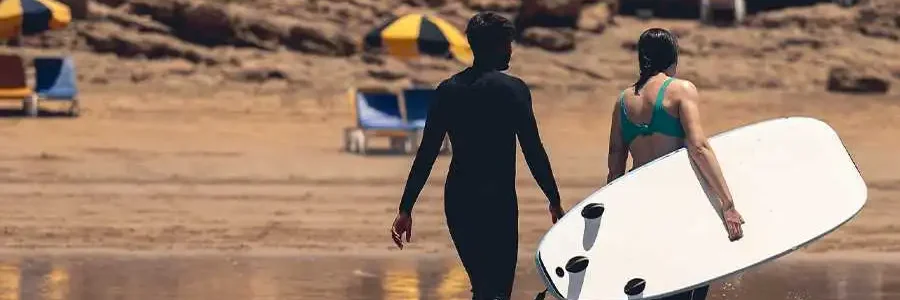
So, you’ve decided to trade the office desk for the Atlantic coast. You’re dreaming of peeling right-handers, the scent of argan oil on the breeze, and that first exhilarating feeling of standing up on a board.
Morocco is legendary in the surfing world, often called the “California of North Africa.” With over 300 days of sunshine a year and a coastline perfectly angled to catch Atlantic energy, it is a true surfing mecca. However, there is a common misconception: many people think the best time for pros is the best time for everyone.
If you are an absolute beginner or a “white-water” warrior, picking the wrong month can mean the difference between a life-changing experience and being stuck on the beach watching 15-foot walls of water crash in front of you. This guide will help you find that “Goldilocks” window where the waves are just right.
Best Months for Beginners:
While professional surfers flock to the Taghazout surf season in the dead of winter, beginners thrive in the transition periods known as the shoulder seasons.
Autumn (September – November): The "Sweet Spot"
This is arguably the best time to surf Morocco for beginners. The fierce heat of the Sahara has cooled down, but the water remains at its warmest (around 21°C). The first swells of the season begin to roll in, but they lack the aggressive power of mid-winter. You’ll find consistent, chest-high waves that are perfect for practicing your pop-up.
Spring (March – May): The "Shoulder Season"
As winter fades, the massive swells subside, leaving behind beautifully groomed, manageable waves. The days are getting longer, the wildflowers are blooming in the Anti-Atlas mountains, and the crowds begin to thin out. It’s a peaceful time where the “Inshallah” pace of life truly takes over.
Summer (June – August): Great for "True" Beginners
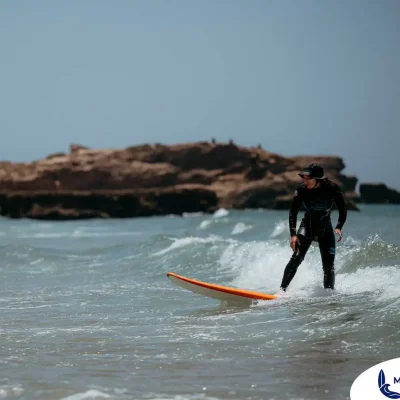
If you have never touched a surfboard before, don’t rule out summer. While advanced surfers stay home because the waves are “flat,” these small, gutless ripples are actually perfect for your very first lesson. The water is warm enough for a thin wetsuit (or even just a rash guard on some days), though be prepared for some afternoon wind.
Surfing December to February:
From December to February, the North Atlantic becomes a “wave factory.” This is when the famous points like Anchor Point roar to life.
The Reality: For a beginner, the main beaches can become intimidating. The currents are strong, the “paddle out” is exhausting, and the waves can be overhead height or higher.
The Solution: You don’t have to cancel your trip. If you visit in winter, your instructor will take you to sheltered bays. When the rest of the coast is “maxed out,” spots like the bay at Imsouane or the protected corner of Panorama Beach turn those giant swells into friendly, rolling lines that are much easier to handle.
Top 3 Beginner-Friendly Surf Spots in Morocco:
Knowing where to go is just as important as knowing when to go. Here are the three best beginner surf spots in Morocco:
Imsouane (The Magic Bay):
Located about 90 minutes north of Taghazout, surfing Imsouane as a beginner is a rite of passage. The “Magic Bay” is a sand-bottom point break that produces the longest wave in Africa. On a good day, you can ride a wave for over 500 meters. Because the wave moves slowly and peels gently, it is the ultimate playground for longboarders and those learning to transition from the white water to the “green” (unbroken) waves.
Panorama Beach (Taghazout):
Located right on the doorstep of Taghazout village, Panorama Beach is a vast, sandy stretch. Unlike the rocky point breaks nearby, the sandy bottom here is forgiving if you fall. It’s a great place to build confidence because there is plenty of space to spread out away from other surfers.
Devil’s Rock (Tamraght):
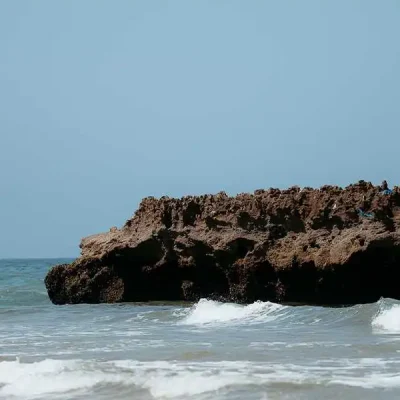
Just a few kilometers south of Taghazout lies Tamraght, a slightly quieter village. Devil’s Rock is a highly reliable beach break. It handles a variety of tides well and offers a mellow atmosphere. After your session, there is nothing better than sitting at a beachside cafe with a hot glass of mint tea (Moroccan whiskey!) and watching the sunset.
Essential Beginner Gear & Water Temps:
The Morocco surf water temperature is cooler than most people expect for Africa. You aren’t in the Caribbean; you are in the Atlantic.
The Wetsuit Guide:
September – November:
A 3/2mm wetsuit is perfect. The water is still holding the summer heat.
December – March:
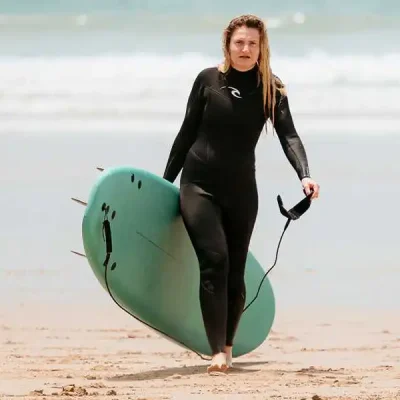
You will want a 4/3mm wetsuit. The air can be chilly in the mornings, and the water drops to around 16°C–17°C.
April – August:
A 3/2mm or even a shorty wetsuit for the hardy souls.
Sun Protection:
The Moroccan sun is deceptive. Because of the cool sea breeze, you might not feel yourself burning. Use Zinc-based sunblock on your face (the thick, colored stuff)—it stays on even after multiple wipeouts. Ensure your sunscreen is reef-safe to protect the beautiful Moroccan coastline.
Tips for Your First Moroccan Surf Trip:
Surf Camp vs. DIY:
For your first trip, book a surf camp. Trying to find the right spot based on tide, wind, and swell direction is a science. Surf camps provide:
Daily transport to the best waves for your level.
Professional coaching (essential for safety).
A built-in community of fellow learners.
Understanding the "Atlantic Tide":
The tides in Morocco are significant. A spot that looks perfect at 10:00 AM might be a mess of rocks by 1:00 PM. Most beginner spots work best at mid-tide. Always ask a local or check a tide app before paddling out.
Local Etiquette: Respecting the "Lineup"
Moroccans are incredibly welcoming, but the “lineup” (the area where surfers wait for waves) has rules.
Don’t "drop in":
If someone is already riding the wave closer to the peak, it’s their wave.
Smile:
A little “Salam” goes a long way.
Listen to your instructor:
They know the local currents and hazards.
Conclusion & FAQs:
Morocco is a land of sensory overload—from the vibrant spices in your evening tagine to the sound of the morning call to prayer echoing over the waves. For a beginner, it offers some of the most consistent and accessible learning conditions in the world.
Summary: When should I book?
For the best overall experience:
Aim for October, November, or March.
For the smallest, safest waves:
Choose July or August.
Quick FAQs:
Is the water cold?
It’s refreshing! You’ll need a wetsuit year-round, but it’s never “ice-cream headache” cold.
Do I need a car?
If you stay in a surf camp, no. If you go DIY, a rental car is helpful for reaching spots like Imsouane.
Can I learn as a solo traveler?
Absolutely. The surf culture in Taghazout and Tamraght is incredibly social. You’ll make friends over breakfast and be cheering each other on in the water by noon.